
Axe Throwing: What It Is, How to Do It, and What to Wear - 2025 Update
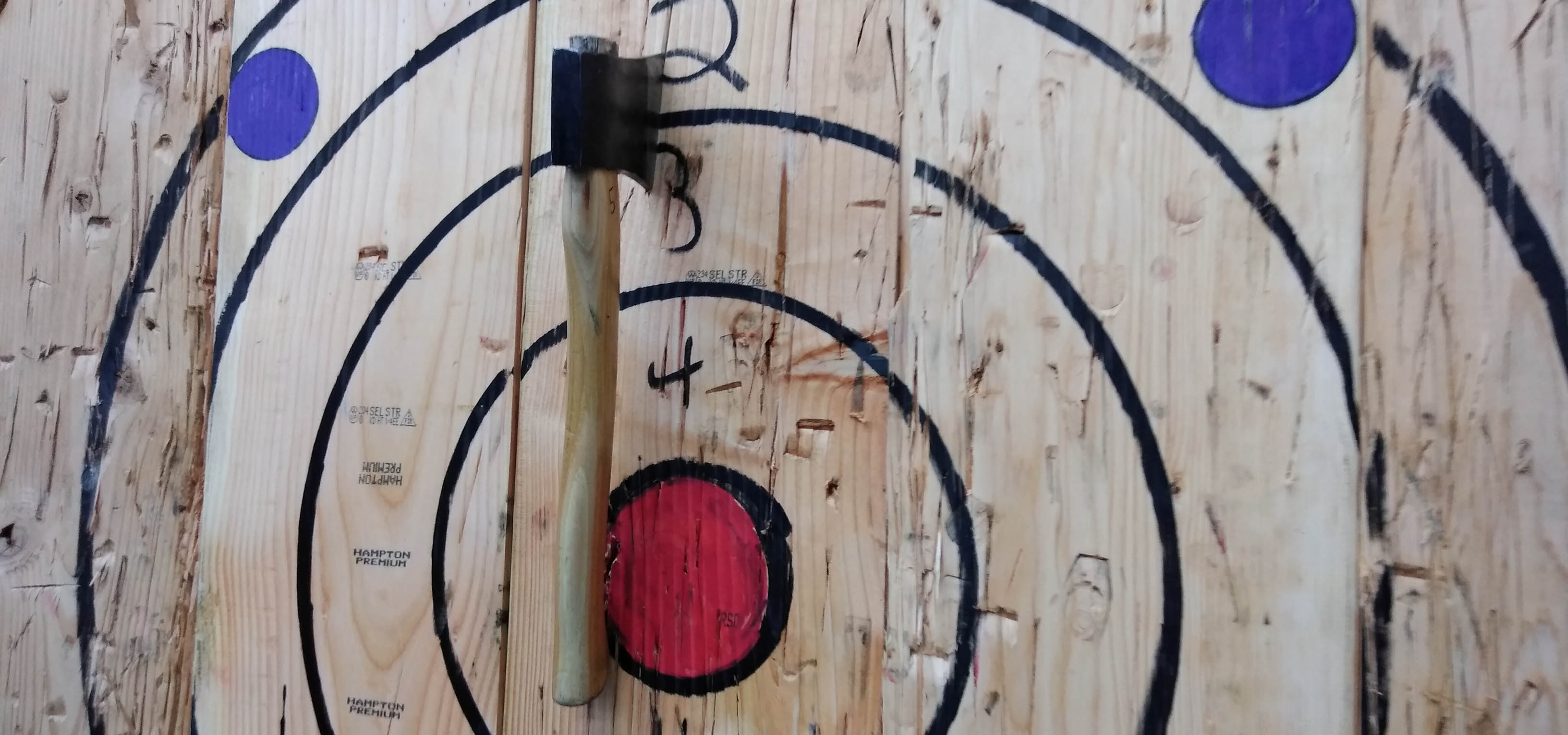
The Complete Beginner’s Guide to Axe Throwing
Axe throwing has evolved from its rugged lumberjack origins into one of the fastest-growing recreational sports worldwide. It blends skill, precision, and a touch of primal satisfaction — there’s just something timeless about launching an axe and hearing it thud into a target. Whether you’re planning a fun evening at an axe throwing venue with friends, or setting up a safe practice area in your garden, knowing the fundamentals will make your experience both safer and more rewarding.
In this guide, you’ll learn what axe throwing is, how to get started, what to wear, and some insider tips for improving your throws.
What Is Axe Throwing?
Axe throwing is a sport in which players throw an axe at a wooden target, aiming to hit the bullseye or get as close to the centre as possible. The concept comes from traditional timber sports and lumberjack competitions, where it was a test of both accuracy and strength.
The targets used today are typically made from softwood (like pine or cottonwood) to help the axe stick. They are marked with concentric scoring rings, similar to an archery or dartboard layout. The bullseye earns the most points, with lower scores as you move outwards.
Modern axe throwing is now enjoyed in a variety of settings:
-
Dedicated venues with multiple lanes, trained coaches, and league nights.
-
Outdoor setups for casual backyard fun (with strict safety precautions).
-
Professional tournaments held worldwide, with standardised rules from organisations such as the World Axe Throwing League (WATL) and International Axe Throwing Federation (IATF).
How to Throw an Axe: Step-by-Step for Beginners
Mastering axe throwing comes down to three core skills — stance, grip, and release. Here’s a beginner-friendly approach:
-
Choose the Right Axe
Start with a purpose-built throwing axe or hatchet. These are designed to be balanced, lightweight (around 600–900g), and easier to control than heavier chopping axes. -
Set Your Stance
-
Stand with feet shoulder-width apart, dominant foot slightly forward.
-
Keep knees softly bent and shoulders relaxed.
-
If you’re at a venue, make sure you’re behind the throwing line.
-
-
Grip the Axe
-
Two-handed throw: Place one hand over the other, like gripping a baseball bat.
-
One-handed throw: Use your dominant hand only, keeping your grip firm but not tense.
-
-
Aim
Focus your eyes on the exact spot you want to hit — not just the bullseye, but a pinpoint within it. -
Draw Back and Release
-
Two-handed: Bring the axe directly over your head in a straight line.
-
One-handed: Bring it back over your shoulder.
-
Swing forward smoothly and release when your hands are just past eye level, letting the axe rotate once or twice before hitting the target.
-
-
Follow Through
Keep your arms moving in the direction of the throw and allow your weight to shift naturally forward. A good follow-through improves both power and accuracy.
Pro tip: If the axe’s handle hits the target first, step slightly closer. If the blade over-rotates, step back a little.
What to Wear for Axe Throwing
The right clothing keeps you safe and lets you move freely:
-
Closed-toe shoes — Sneakers or boots are essential. Sandals are a no-go.
-
Comfortable clothing — Opt for athletic wear or casual clothes with good flexibility.
-
No loose accessories — Remove scarves, long necklaces, and dangling earrings.
-
Layer up for outdoor throwing — Weather changes can affect your comfort and focus.
Safety Tips Every Thrower Should Follow
-
Only throw when the lane is clear and the coach (if present) gives the signal.
-
Wait until everyone has thrown before retrieving axes.
-
Keep spectators and non-throwers well behind the safety line.
-
Never throw an axe you haven’t checked for damage — loose heads or cracked handles are dangerous.
Why Axe Throwing Is More Than Just a Hobby
Aside from being fun, axe throwing has surprising benefits:
-
Improves focus and hand-eye coordination
-
Provides a satisfying stress release
-
Offers a great social activity for groups, parties, and team-building events
-
Encourages discipline and technique over brute force
Whether you aim to join a local league or just enjoy casual throws with friends, the more you practise, the more addictive it becomes.
Final Thoughts
Axe throwing is part sport, part stress relief, and part skill-building challenge. Learn the basics, respect safety rules, and you’ll be sticking bullseyes in no time. Whether you’re indoors at a professional venue or outdoors in a safe backyard setup, the key is a smooth, controlled throw — not raw power.
So lace up your closed-toe shoes, grab a throwing axe, and get ready for the satisfying thunk that keeps people coming back for more.